Japanese encephalitis
Updated April 2023
NSW Department of Primary Industries has confirmed the first case of Japanese encephalitis (JE) in pigs for the 2022-2023 season in the week commencing 14 November 2022. The piglets were from a property in the Murray Local Land Services region, a region that has been heavily flood impacted during winter and a part of the outbreak earlier this year.
JEV has been detected in samples collected from feral pigs in the Northern Territory, North Queensland and In February 2023, there were 2 feral pig detections in the Kimberly region, WA. Samples taken did not indicate active infection. JEV surveillance in feral pigs is ongoing, with further positive detections anticipated.
Samples collected from sentinel chicken flocks in the Pilbara and Kimberly region in February 2023, tested positive for JEV. Samples from a chicken flock in Newman, WA indicated infection in the last 2 months.
Japanese encephalitis virus is a nationally notifiable disease which means if you suspect an animal is showing signs of the disease, you must report it. You can do this by calling the national Emergency Animal Disease Watch Hotline on 1800 675 888. This will put you in touch with your state or territory’s agriculture department.
- State based web resources
- Mosquito management is very important to control this disease. Useful resources include;
- Farm Biosecurity webpage: Controlling mosquito around piggeries – available at Controlling mosquitoes around piggeries - Farm Biosecurity
- JE Guide: Integrated mosquito management principles for piggeries (V2)
- JE Factsheet: Controlling mosquitoes around piggeries (V2)
- Mosquito management for horses – available at Mosquito Management for Horses - Farm Biosecurity
- The national human health information relating to JE can be found at health.gov.au. The department also has free public resources that can be downloaded from their website.
- Farm Biosecurity webpage: Controlling mosquito around piggeries – available at Controlling mosquitoes around piggeries - Farm Biosecurity
-
How to identify the disease in animals
Pigs
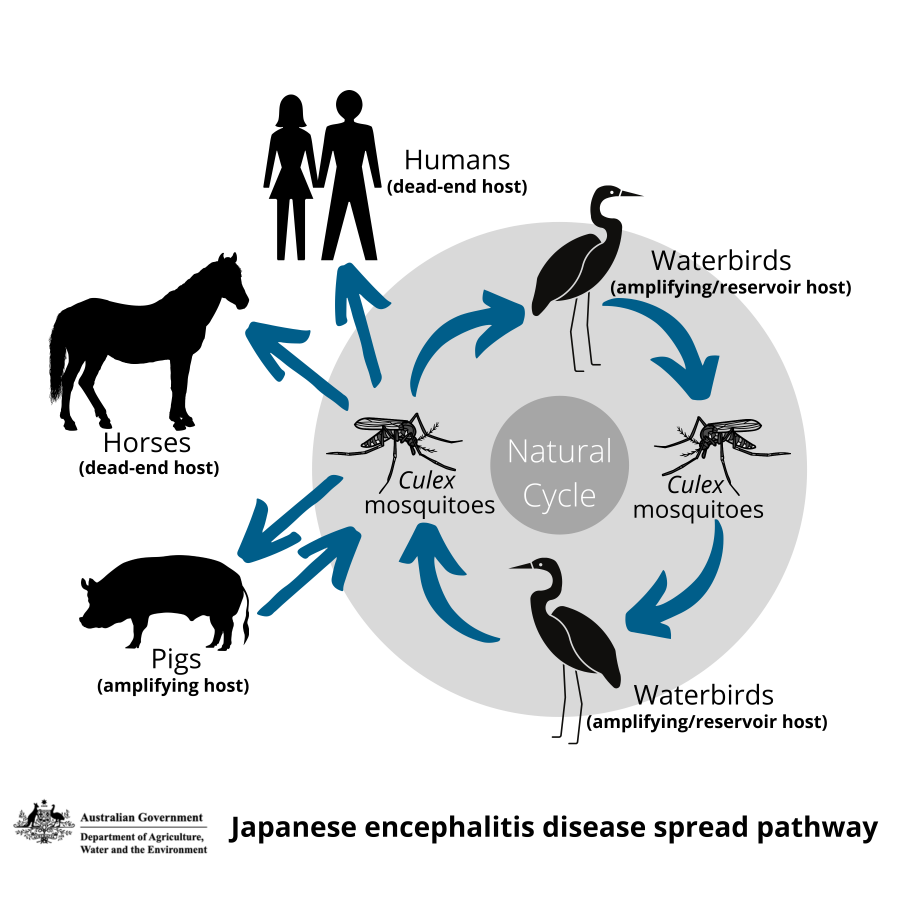
- Japanese encephalitis virus is not spread directly from pigs to people and spread from pig to pig through genetic material such as semen is rare. The virus is primarily spread by mosquitoes.
- In pigs, the most common clinical signs are mummified and stillborn or weak piglets, some with neurological signs.
- Piglets infected after birth can develop encephalitis which presents as paddling or other neurological signs in the first six months of life. In other cases, wasting, depression or hindlimb paralysis may be seen in suckling piglets and weaners.
- Adult sows do not typically show overt signs of disease. If boars are present on farm, they may experience infertility and oedematous, and congested testicles.
- Pigs may also rarely become infected by direct contact between pigs or by infected pig semen.
Disease prevention in pigs
- Pig producers are asked to be highly vigilant for signs of this disease and report unexplained pig abortions or stillbirths.
- Many piggeries operate under the national Australian Pig Industry Quality Assurance program which sets high biosecurity and hygiene standards for commercial piggeries.
- People working with pigs, including those who may have a small herd or pet, should take steps to control mosquitoes, as well as of course continue to use effective biosecurity measures.
- Key measures that will help reduce the mosquito load around piggeries include:
- Monitoring for mosquitoes at the various stages of their lifecycle. This can help determine the most effective control methods of and help break the breeding cycle.
- To monitor, inspect bodies of water and containers for wrigglers, as well as areas where adult mosquitoes will rest like ceilings and walls.
- Monitoring for mosquitoes at the various stages of their lifecycle. This can help determine the most effective control methods of and help break the breeding cycle.
Horses
- In horses many cases are subclinical, meaning that they can be infected but now show signs of the disease. Most clinical disease is mild, however more severe encephalitis can occur which may be fatal.
- Signs include an elevated temperature, jaundice, lethargy, anorexia and neurological signs which can vary in severity.
- Neurological signs can include incoordination, difficulty swallowing, impaired vision, and rarely the horse becomes over excited.
-
Due to the clinical similarity to Hendra virus infection, a sporadic but serious zoonotic disease, it is important all appropriate precautions are taken when assessing, sampling, and treating affected horses.
- While reports of the disease in other species are rare, overseas the disease has been reported in donkeys.
-
Horses (like people) are known to be a ‘dead end host’. Unlike pigs and waterbirds, the level of virus circulating in infected horses’ blood is too low to reinfect mosquitoes.
-
Agriculture Victoria has provided a comprehensive JE Investigative Procedure for Horses at THIS LINK. It includes Sample collection, Packaging of samples, Transport, Sample submission, Diagnostic tests, Notes on testing, Disease notification and Significant Disease Investigation (SDI) Program.
Disease prevention in horses
- Horse owners can also put measures in place to help their horses avoid mosquito bites. Put a hooded rug on them, a fly mask, and if the horse allows, apply a safe insect repellent. Do not apply the repellent around or above their eyes.
- The Australian mosquito that transmits JE feeds at night and is reluctant to enter dwellings, so stabling horses between dusk and dawn is beneficial.
- Rugging and hooding along with applying an insect repellent may help protect horses that cannot be stabled. Note that permethrin treated horse fabrics which are sold with claims of insect control are viewed as unregistered agricultural chemical products under current legislation. Their supply and use in Australia have not been approved at this time.
Information from the Department of Agriculture, Water and Environment about Japanese encephalitis in Australia.
Background
- By the end of May 2022 Japanese encephalitis (JE) had infected 79 piggeries across QLD (17), NSW (30), VIC (23) and SA (9).
- Also, 44 feral pigs in five local government areas of the Northern Territory have tested positive to Japanese encephalitis (JE).
-
South Australia recently reported a rare case of Japanese encephalitis in one alpaca.
- In May 2022 the NSW Chief Veterinary Officer issued a bulletin stating that testing of horse samples had identified 26 horses with probable JE and a further 4 horses as possible cases. These horses were probably exposed to the virus during summer to mid-autumn 2022. However, no cases have been confirmed. The combination of clinical signs and test results suggests that JE infection is a probable or possible cause for the disease.
-
There have been 14 JEV detections in mosquito samples collected since 30 December 2021 in VIC (7), NSW (3) and QLD (2). The most recent detection was in a mosquito trap collected in QLD on 19 April 2022. The primary mosquito vector is suspected to be Culex annulirostris.
-
The immediate priority groups for vaccination against JEV are individuals in affected regions with:
- direct exposure or close proximity to pigs and mosquitoes; and
- high-level occupational exposures, including veterinarians who work with piggeries.State and Territory Public Health units are co-ordinating and implementing the priority vaccination program, with initial vaccinations underway, and it is expected they will be free.
- Australia has national plans in place to respond to animal disease incursions. The Japanese Encephalitis AUSVETPLAN outlines the principles for responding to this disease. .
Agriculture Response in 2021/2022 season
- JE has been confirmed in pigs in Victoria, New South Wales, South Australia and Queensland.
- The AUSVETPLAN Response Strategy recommends a minimum of 42 days from the introduction of infection to the premises to allow for sufficient immunity to develop in all susceptible animals on the premises.
- Remember, it runs through 20% of the herd on the first wave and then 1-2 weeks later runs through the remainder of the herd.
- Movement controls have been applied to infected pig properties, which include strict mosquito controls to allow essential pig movement to occur in a safe and controlled manner.
- State and territory animal health authorities have implemented biocontainment measures at affected piggeries focussing on:
- Movement controls over pigs, semen and embryos to minimise the spread of infection.
- Tracing and surveillance to determine the extent of infection.
- Epidemiological assessment to inform decisions on appropriate control measures and to establish the potential role of mosquito vectors and reservoir host species in the transmission of JEV in Australia.
- Working with the pig and horse industries to implement appropriate vector control and management areas (including trapping and sampling) while national guidelines (see below ) are being developed
- Mapping of infected piggeries and suspected infected piggeries is being shared across jurisdictions and with state human health authorities. This will include development of geospatial maps to indicate potential high risk transmission areas across jurisdictions including map of where piggeries are located and the potential role of waterfowl, feral pigs (working with the national feral pig coordinator ) and vectors.
- Retrospective testing of stored samples from domestic and feral pigs, horses, wildlife and mosquitoes are being tested for JEV. Results pending
- Retrospective testing of vectors collected over the past 12-18 months from broader geographical areas is also underway – results pending including analysis on vector competence.
- A longer term animal surveillance plan for JEV is being developed that will include surveillance of susceptible species, including pigs (feral pigs included), horses and other animals.
- In conjunction with human health authorities and the pig industry, mosquito trapping and control is being conducted at all infected premises.
- In addition to movement restrictions applying to infected piggeries, there are some additional interstate movement conditions for live pigs and pig semen moving from infected areas to uninfected jurisdictions. Check with your state or territory agriculture department.
- Surveillance allows identification of infected properties quickly and minimisation of further spread of the virus, by controlling mosquitos on farm, and careful management of movement of pigs from infected properties. Surveillance testing continues until the property can be declared free.
- Surveillance and tracing has already been undertaken across all infected piggeries by state and territory agriculture departments.
- The Department of Agriculture, Water and the Environment is working closely with the APVMA to obtain an emergency use permit for vaccination of horses with JEV vaccines sourced from international suppliers.
Exports and trade
- The Department of Agriculture, Water and the Environment provides the certification for live animals, meat and meat products for export to overseas markets.
- The department is working with horse exporters to ensure horses meet importing country requirements for Japanese encephalitis. There are 12 markets that Australia exports horses to that have import requirements in place for this disease.
- The department has worked closely with New Zealand authorities to negotiate the entry requirements for Australian horses travelling to New Zealand.
- The department will work with trading partners should any other issues arise around the export of pig meat, offal and pet food, due to this outbreak.
Alerts as PDFs
Emergency animal disease alert for veterinarians_approved.pdf
Emergency animal disease alert_horses_approved.pdf
Emergency animal disease alert_pigs_approved.pdf
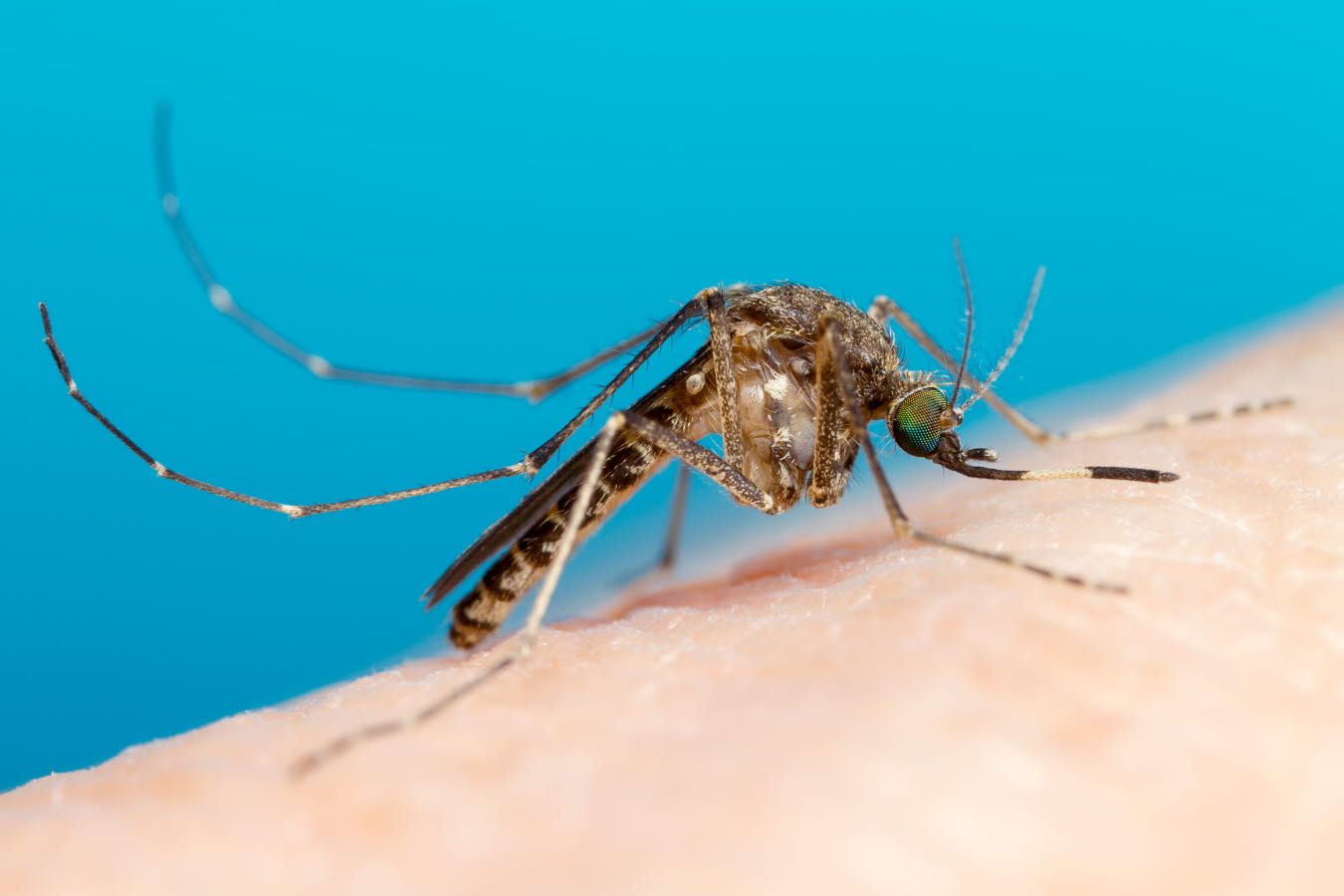
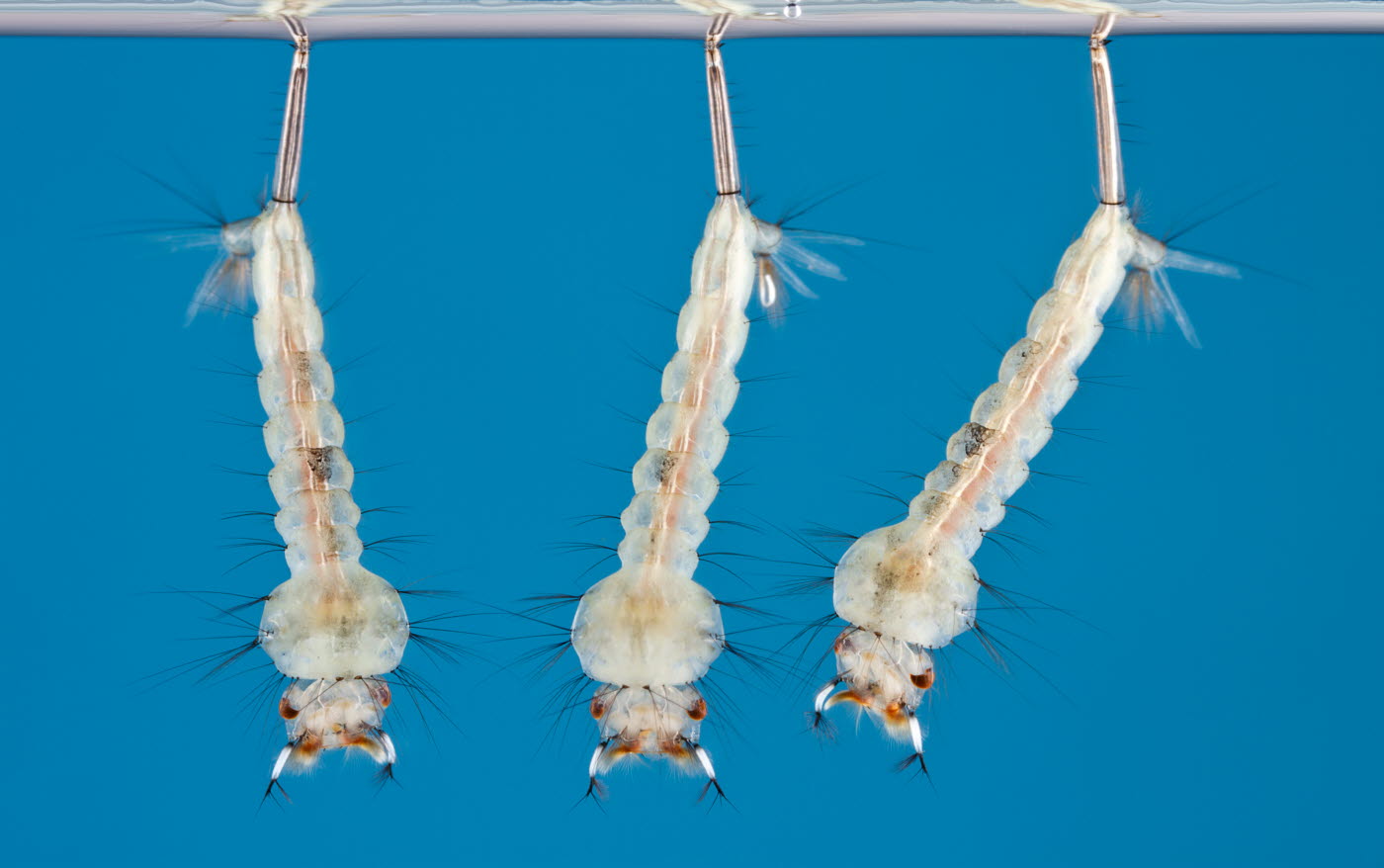
Images (credit: Stephen L. Doggett, NSW Health Pathology)